
Mon - Fri 7:00 - 17:00
32 fullarton dr Epping 3076 Australia
Posted by FPMBuildingSupplies
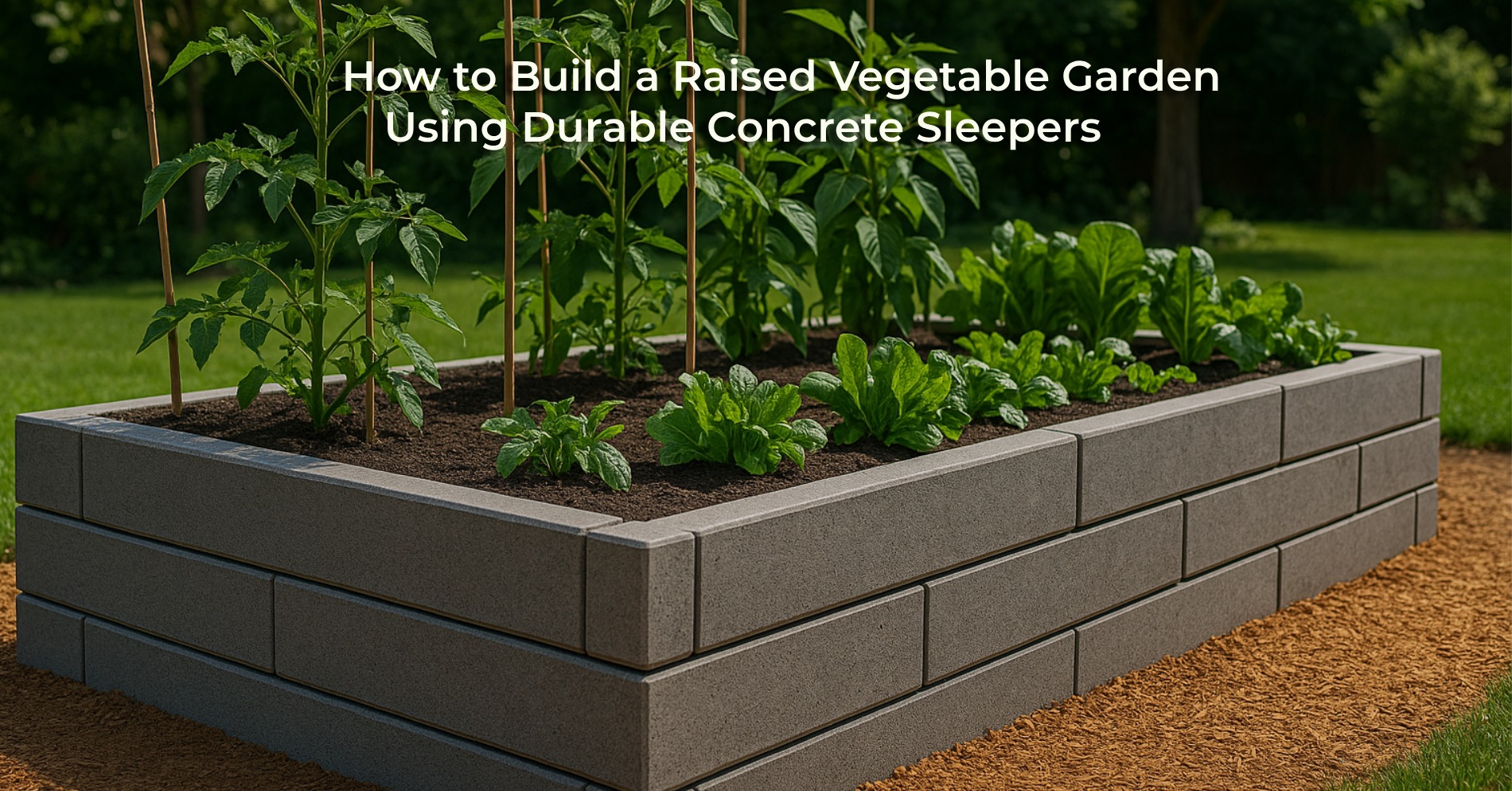
How to Build a Raised Vegetable Garden Using Durable Concrete Sleepers
Creating a raised vegetable garden with concrete sleepers is an excellent way to maximize your outdoor space while ensuring long-term durability and functionality. Whether you’re a seasoned gardener or just starting out, building a raised bed offers numerous benefits — improved soil quality, better drainage, easier pest control, and ergonomic accessibility. When constructed with durable concrete sleepers , your garden bed becomes not only structurally sound but also aesthetically pleasing.
At FPM Building Supplies , we offer a range of high-quality precast concrete products designed for landscaping and construction projects. In this comprehensive guide, we’ll walk you through the process of designing and building a raised vegetable garden using concrete sleepers , including material selection, preparation, installation, and maintenance tips.
Table of Contents
ToggleWhy Choose Concrete Sleepers for Your Raised Vegetable Garden?
Concrete sleepers are increasingly becoming the go-to choice for modern garden beds due to their strength, longevity, and minimal maintenance requirements. Here’s why they’re ideal:
1. Durability
Concrete sleepers are built to last. Unlike timber, which can rot, warp, or attract termites over time, concrete sleepers resist weathering and pests, making them perfect for long-term gardening projects.
2. Low Maintenance
Once installed, concrete sleeper garden beds require little to no upkeep. They won’t need staining, sealing, or replacement like wooden alternatives.
3. Versatility
Available in both plain concrete sleepers and charcoal concrete sleepers , these materials blend seamlessly into any garden design — whether rustic, contemporary, or minimalist.
4. Eco-Friendly Option
Precast concrete is recyclable and has a longer lifespan than many other materials, reducing the need for frequent replacements and minimizing environmental impact.
5. Structural Integrity
Concrete sleepers provide excellent support for raised beds, especially when used in combination with galvanised steel posts for added stability.
Shop Plain Concrete Sleepers | Explore Charcoal Concrete Sleepers
Planning Your Raised Vegetable Garden
Before you start building, it’s essential to plan your garden layout carefully. Consider the following factors:
1. Location
Choose a spot that receives at least six hours of direct sunlight daily. Ensure the area is easily accessible for watering, harvesting, and maintenance.
2. Size & Shape
Determine the dimensions of your raised bed based on available space and the vegetables you want to grow. A typical size ranges between 1m x 2m to 2m x 4m. For accessibility, keep the width under 1.2 meters so you can reach the center from both sides.
3. Height
Aim for a height of 30–60 cm. Taller beds (up to 90 cm) may be preferred for those with mobility issues or to improve drainage in areas with heavy soil.
4. Soil Preparation
Use a mix of topsoil, compost, and organic matter to ensure nutrient-rich growing conditions. Raised beds allow for better soil control, free from compaction and weeds.
Materials Needed for Building a Raised Vegetable Garden with Concrete Sleepers
To construct your garden bed, gather the following materials:
| Concrete Sleepers | As per dimensions | Choose plain or charcoal based on aesthetics |
| Galvanised Steel Posts | 4 per corner | 100x50mm C-posts recommended |
| Rapid Set Concrete | 1–2 bags | For securing posts |
| Soil Mix | 1–2 cubic meters | Topsoil + compost |
| Screws / Metal Brackets | Optional | For connecting sleepers |
| Landscape Fabric | Optional | To line the bottom |
Buy Galvanised Steel C Post | Order Rapid Set Concrete
Step-by-Step Guide to Building Your Raised Vegetable Garden
Step 1: Clear and Level the Site
Remove grass, weeds, and debris from the chosen area. Use a rake and shovel to level the ground. If necessary, lay down landscape fabric to suppress weeds before placing the sleepers.
Step 2: Mark Out the Layout
Use stakes and string to outline the shape of your garden bed. Double-check the measurements to ensure accuracy.
Step 3: Install Galvanised Steel Posts
Dig holes at each corner, approximately 40–50 cm deep. Insert the galvanised steel C posts and secure them with Rapid Set Concrete . Allow the concrete to cure for 24–48 hours.
Step 4: Stack Concrete Sleepers
Place the first layer of sleepers around the perimeter. If needed, use brackets or screws to connect the ends securely. Add additional layers if building a taller bed, ensuring each layer is level and aligned.
Step 5: Secure the Structure
Attach the sleepers to the steel posts using metal brackets or anchor bolts for added stability. This prevents shifting over time due to soil pressure or weather changes.
Step 6: Fill with Soil
Add your prepared soil mixture, filling the bed to within 5–10 cm of the top. Avoid compacting the soil; let it settle naturally.
Step 7: Plant Your Vegetables
Start planting according to spacing guidelines. Consider companion planting techniques to maximize yield and deter pests naturally.
Step 8: Water and Maintain
Install a drip irrigation system or water manually. Regularly check for weeds, pests, and nutrient levels. Mulching helps retain moisture and suppress weeds.
Read Our Blog on Companion Planting Ideas | Learn About Irrigation Techniques
Design Tips for a Stylish Concrete Sleeper Raised Garden Bed
While functionality is key, aesthetics shouldn’t be overlooked. Here are some ideas to enhance the look of your raised vegetable garden:
1. Add Lighting
Incorporate solar-powered garden lights along the edges for nighttime visibility and ambiance.
2. Paint or Stain
If you’ve chosen plain concrete sleepers, consider painting them in earthy tones to match your garden theme.
3. Create Raised Beds in Rows
Build multiple smaller beds instead of one large one for easier access and a more organized layout.
4. Integrate Seating
Attach a bench or add stepping stones around the garden for a cozy seating area.
5. Use Vertical Space
Train climbing plants like beans or tomatoes up trellises or wire frames attached to the sleepers.
Visit Our Blog for More Design Inspiration
Maintaining Your Concrete Sleeper Raised Garden Bed
Proper care ensures your raised bed lasts for years. Follow these maintenance tips:
1. Check for Structural Integrity
Inspect the sleepers and posts annually for signs of damage or movement. Tighten brackets or reinforce connections as needed.
2. Refresh Soil Annually
Top up with compost or fresh soil every season to replenish nutrients.
3. Clean the Sleepers
Wash off dirt or algae buildup with a hose and soft brush. Avoid pressure washing to prevent surface damage.
4. Protect Against Moisture Damage
Although concrete is water-resistant, applying a sealant can further protect against moisture penetration and staining.
5. Winter Protection
Cover the bed with mulch or frost cloth during colder months to protect roots and preserve soil structure.
Read More About Concrete Sleeper Maintenance
Frequently Asked Questions (FAQs)
Q1: Can I build a curved raised garden bed with concrete sleepers?
Yes, by using shorter sleeper segments or flexible edging materials like galvanized steel strips, you can create curved designs.
Q2: Are concrete sleepers safe for growing food?
Absolutely! Concrete sleepers do not leach harmful chemicals into the soil, making them safe for edible gardens.
Q3: How long do concrete sleeper garden beds last?
With proper installation and care, concrete sleeper raised beds can last 20+ years.
Q4: Do I need planning permission to install a raised garden bed?
Typically, small garden beds don’t require permits. However, check local council regulations if your bed exceeds certain heights or spans large areas.
Conclusion: Elevate Your Gardening Experience with Concrete Sleepers
Building a raised vegetable garden with concrete sleepers is a smart investment that combines practicality with style. The durability, low maintenance, and aesthetic appeal of concrete make it a superior choice over traditional materials like wood or plastic. Whether you’re looking to grow herbs, leafy greens, or root vegetables, a well-designed raised bed will help you achieve healthy, productive crops year after year.
At FPM Building Supplies , we pride ourselves on providing Melbourne builders and landscapers with high-quality, eco-friendly products. From plain and charcoal concrete sleepers to galvanised steel posts and Rapid Set Concrete , we have everything you need to bring your garden vision to life.
Ready to start your project? Shop Now at FPM Building Supplies or read our blog for more inspiration.
Related Blogs
- How to Create a Tiered Garden Bed with Precast Concrete Sleepers
- The Ultimate Guide to Precast Concrete Products
- Galvanised Steel H Posts vs C Posts – Which Should You Use?
- Why Rapid Set Concrete Is a Game-Changer for DIY Projects
Internal Links
- Home
- About Us
- Privacy Policy
- Terms & Conditions
External Links
SEO Keywords & Phrases
- Raised vegetable garden with concrete sleepers
- Concrete sleeper raised beds
- Durable garden structures
- FPM Building Supplies
- Melbourne building supplies
- Galvanised steel posts
- Rapid set concrete
- Outdoor vegetable garden ideas
- Eco-friendly landscaping
- Raised garden bed with sleepers