
Mon - Fri 7:00 - 17:00
32 fullarton dr Epping 3076 Australia
Posted by FPMBuildingSupplies
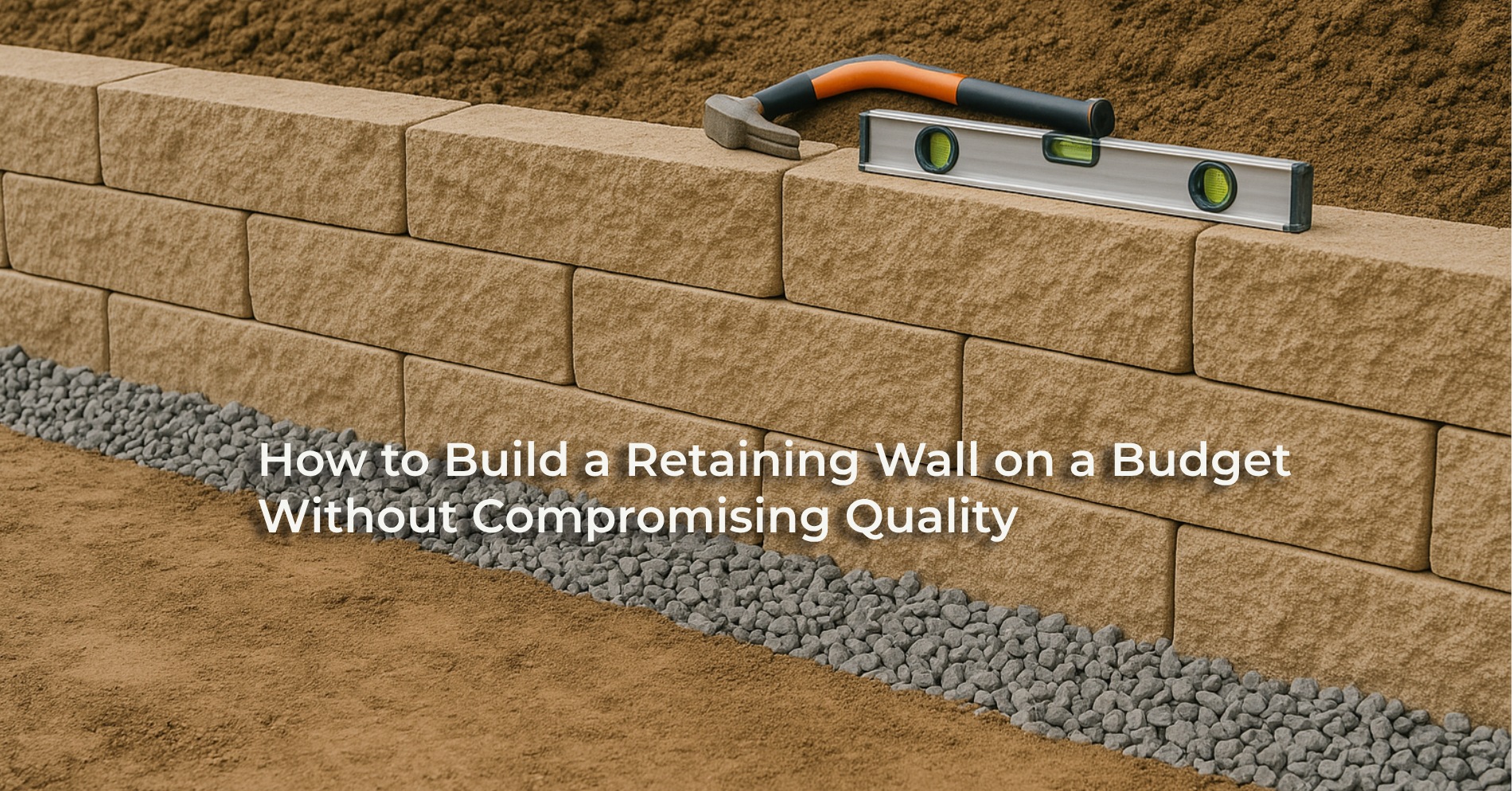
How to Build a Retaining Wall on a Budget Without Compromising Quality
Table of Contents
ToggleIntroduction: Why Building a Retaining Wall Doesn’t Have to Be Expensive
Retaining walls are essential for managing sloped landscapes, preventing soil erosion, and enhancing the aesthetics of outdoor spaces. However, many homeowners and builders assume that building a retaining wall requires a large investment in both time and money.
The good news is, with careful planning and the right materials, you can build a high-quality retaining wall on a budget —without sacrificing durability or visual appeal. At FPM Building Supplies , we offer cost-effective solutions like plain concrete sleepers , charcoal concrete sleepers , and galvanised steel posts that provide professional-grade results at affordable prices.
In this comprehensive guide, we’ll walk you through:
- The best materials for budget-friendly builds
- Step-by-step installation techniques
- Cost-saving strategies
- Maintenance tips to ensure longevity
Whether you’re tackling a DIY project or working with a tight budget, this blog will show you how to create a strong, long-lasting retaining wall without breaking the bank.
Understanding Your Budget Constraints
Before diving into construction, it’s crucial to understand where you can save costs and where corners should not be cut.
1. Material Selection
Opt for precast concrete sleepers over poured concrete or timber alternatives. Precast products offer superior strength and require less labor for installation.
Plain Concrete Sleepers – Durable and Affordable
Charcoal Concrete Sleepers – Modern Style on a Budget
2. DIY vs Professional Installation
For smaller projects, consider doing the work yourself to avoid labor fees. Larger or complex builds may benefit from partial professional help, especially when anchoring steel supports or ensuring proper drainage.
3. Project Size and Scope
Smaller walls or garden beds require fewer materials and effort. Plan your design carefully to minimize waste and unnecessary components.
Why Concrete Sleepers Are the Most Cost-Effective Option
When building a retaining wall on a budget, concrete sleepers offer the perfect balance between price and performance.
1. Low Maintenance Costs
Unlike timber or brick, concrete sleepers don’t need regular sealing, staining, or repairs. This reduces long-term expenses significantly.
2. Durability Equals Long-Term Savings
Concrete sleepers last decades without rotting, warping, or requiring replacement—unlike wood, which often needs reinstallation every 10–15 years.
3. Easy to Install
Precast concrete sleepers come ready to use, reducing labor hours and equipment rental costs.
4. Versatile Design Options
Available in plain grey or charcoal finishes, they suit a wide range of architectural styles—from rustic gardens to modern urban landscapes.
Top Landscaping Ideas Using Plain Concrete Sleepers
Why Charcoal Concrete Sleepers Are Perfect for Style and Durability
Choosing the Right Concrete Sleeper for Your Project
At FPM Building Supplies, we offer concrete sleepers in standard sizes including:
- 2400 x 200 x 75mm
- 2360 x 200 x 75mm
- 2000 x 200 x 75mm
These dimensions allow for flexibility while maintaining structural integrity. For budget-conscious builders, plain concrete sleepers are often more economical than charcoal versions—though both provide excellent value over time.
Key Factors to Consider:
- Soil Type : Clay soils expand and contract with moisture changes—requiring stronger reinforcement.
- Wall Height : Taller walls need vertical support like galvanised steel posts .
- Drainage Requirements : Poor drainage increases pressure behind the wall, leading to bowing or collapse.
Understanding Concrete Sleeper Weight – Why It Matters
Galvanised Steel Posts: Reinforcement That Lasts
A well-built retaining wall must have strong vertical support to withstand lateral earth pressure. That’s where galvanised steel posts come in.
Types of Galvanised Steel Posts:
- H Posts (100×100 UC) : Ideal for tall or heavy-duty walls.
- C Posts (100×50) : Suitable for moderate-height structures.
- Corner Posts : Provide extra stability at directional changes or gates.
Galvanised steel resists rust and corrosion, making them ideal for long-term use in wet environments.
Galvanised Steel H Post (100×100 UC)
Galvanised Steel C Post (100×50)
Galvanised Steel Corner Posts for Extra Support
Step-by-Step Guide to Building an Affordable Retaining Wall
Step 1: Plan Your Retaining Wall Layout
Measure the area and sketch out your design. Decide whether your wall will be straight, stepped, or tiered based on slope and aesthetic preference.
Use stakes and string to mark the foundation line before ordering materials.
Step 2: Prepare the Site
Clear vegetation, rocks, and loose soil. Level the ground as much as possible, especially if installing on flat terrain.
For sloped installations, dig trenches to accommodate each layer of sleepers and ensure a stable base.
Add a 100–150mm layer of crushed rock or gravel for drainage and compaction.
Step 3: Install Galvanised Steel Supports
Dig post holes approximately 600mm deep and insert galvanised steel posts. Use a spirit level to ensure they are plumb before filling around them with rapid set concrete .
Rapid set concrete allows for immediate sleeper installation, speeding up the process and reducing downtime.
Rapid Set Concrete – Quick Fix Solution
Step 4: Lay the First Row of Sleepers
Place the first row directly on the compacted gravel base. Ensure they’re level and aligned properly.
Adjust positioning with a rubber mallet. Secure sleepers to steel posts using brackets or rebar pins.
Step 5: Stack Additional Rows (If Needed)
For taller walls, stack sleepers vertically. Stagger joints like bricks to improve structural integrity.
Secure each layer with metal brackets or screws rated for outdoor use.
Step 6: Backfill Behind the Wall
Once sleepers are installed, backfill with compacted gravel or sand behind the wall. This prevents hydrostatic pressure buildup and improves drainage.
For clay soils, install perforated pipes behind the wall to redirect excess water.
Step 7: Apply Finishing Touches
Fill any gaps between sleepers with general purpose cement for a clean look. Add topsoil or decorative gravel to enhance curb appeal.
No painting or sealing required—making concrete sleepers one of the most low-maintenance retaining wall options available.
General Purpose Cement – Versatile for Every Need
Smart Material Choices That Save Money
1. Buy in Bulk
Order multiple sleepers at once to take advantage of volume discounts.
2. Opt for Standard Sizes
Custom-cut sleepers add cost. Stick to standard lengths like 2.4m or 2.36m for cost efficiency.
3. Use Rapid Set Concrete for Anchoring
Saves time and labor compared to traditional mixes that require waiting days for curing.
4. Choose Plain Over Charcoal (Optional)
While charcoal sleepers offer a bold finish, plain sleepers are often more budget-friendly and can be painted or stained later if desired.
Cost-Saving Tips for DIY Builders
1. Do the Work Yourself
Avoid hiring professionals for small builds. With the right tools and guidance, most retaining wall projects are manageable for DIY enthusiasts.
2. Rent Tools Instead of Buying
If you don’t own a wheelbarrow, drill, or compactor, rent them locally to keep initial costs low.
3. Minimize Waste
Plan your layout carefully to avoid cutting sleepers unnecessarily.
4. Reinforce Only Where Necessary
You don’t always need steel posts every 2 meters. In short, low-level walls, spacing them further apart can still provide adequate support.
Common Mistakes to Avoid When Building on a Budget
1. Neglecting Drainage
One of the biggest mistakes is ignoring proper drainage. Hydrostatic pressure can cause even the strongest wall to bulge or collapse.
2. Using Untreated Timber Supports
Timber rots quickly when exposed to moisture. Always opt for galvanised steel posts for long-term performance.
3. Skipping Reinforcement
Some try to build retaining walls without vertical support. This works only for very short walls and carries a high risk of failure.
4. Choosing Low-Quality Sleepers
Not all concrete sleepers are created equal. Invest in precast sleepers made with 50 MPa concrete mix for lasting strength.
The Advantages of 50 MPa Concrete Mix
How to Maintain Your Retaining Wall Without Spending More
1. Regular Inspections
Check for signs of leaning, cracking, or shifting after heavy rain or dry spells.
2. Keep Drains Clear
Ensure water flows away from the base of the wall. Clear debris from behind the structure regularly.
3. Tighten Fixings
Over time, screws and brackets may loosen. Re-tighten them annually to maintain structural integrity.
4. Clean Surfaces Occasionally
A simple hose down removes dirt and moss. No need for chemical cleaners or sealants.
How to Extend the Lifespan of Your Concrete Sleepers
Creative Ways to Enhance Your Wall Without Breaking the Bank
1. Add Planters Between Layers
Insert small planters between stacked sleepers for greenery without additional structural costs.
2. Use Sleepers for Garden Edging Too
Repurpose leftover sleepers for pathway edging or raised vegetable beds.
3. Paint or Stain for Customisation
Plain sleepers can be painted or stained to match your home’s exterior or landscape theme.
4. Build Tiered Designs
Tiered retaining walls add visual interest and can be constructed using shorter sleepers—reducing material costs.
How to Create a Tiered Garden Bed with Concrete Sleepers
Real-Life Examples of Budget-Friendly Retaining Walls
Case Study 1: Suburban Raised Garden Bed
A homeowner in Northcote used plain concrete sleepers and galvanised steel corner posts to build a raised vegetable garden. The total cost was under $1,000, and the wall has remained stable for over five years.
Case Study 2: Slope Stabilisation on a Budget
A builder in the Yarra Valley reinforced a gentle slope using charcoal concrete sleepers and C posts spaced 3 meters apart. By avoiding poured concrete and opting for precast elements, he saved nearly 30% on labor and materials.
Environmental Benefits of Concrete Sleeper Retaining Walls
Building a retaining wall with concrete sleepers is not only cost-effective but also environmentally responsible.
1. Long Lifespan Reduces Waste
Concrete sleepers last for decades, meaning fewer replacements and less landfill waste.
2. Recyclable Materials
At end-of-life, broken sleepers can be repurposed as aggregate for future projects.
3. Eco-Friendly Production
Precast manufacturing minimizes dust, runoff, and material waste during production.
Environmental Benefits of Precast Concrete Products
Why Builders Trust FPM Building Supplies for Budget Projects
As Melbourne’s go-to supplier for precast concrete products and galvanised steel supports , FPM Building Supplies offers:
- Affordable Pricing : Competitive rates for residential and commercial builds.
- High-Quality Materials : All sleepers are made with 50 MPa concrete mix for unmatched strength.
- Expert Guidance : Our team helps you choose the right sleeper size and reinforcement method.
- Fast Delivery Across Victoria : We deliver directly to your job site, saving time and logistics costs.
Why Choose FPM Building Supplies?
Why Melbourne Builders Trust Us
Conclusion: Build Smarter with High-Value, Low-Cost Materials
Building a retaining wall on a budget doesn’t mean compromising on quality. By choosing precast concrete sleepers , galvanised steel posts , and smart installation techniques , you can construct a durable, attractive, and long-lasting wall without overspending.
At FPM Building Supplies , we believe that every builder deserves access to premium materials at competitive prices . Whether you’re reinforcing a backyard slope or creating a tiered garden bed, our product range ensures you get the best value for your money.
Ready to start your next project? Visit our website or contact us for expert advice and competitive pricing.
Related Blogs
- How to Build a Strong and Long-Lasting Fence
- Understanding Concrete Sleeper Weight
- Mastering Concrete Sleeper Installation
- Why Charcoal Concrete Sleepers Are Perfect for Style and Durability
Frequently Asked Questions (FAQs)
Q: Can I build a retaining wall myself?
A: Yes, especially with precast concrete sleepers and galvanised steel posts. Just ensure proper drainage and alignment.
Q: Do concrete sleepers need maintenance?
A: Very little. Occasional cleaning and tightening of brackets is all that’s needed.
Q: Are galvanised steel posts worth the investment?
A: Absolutely. They prevent movement and extend the life of your wall by decades.
Q: Where can I buy affordable concrete sleepers in Melbourne?
A: Visit FPM Building Supplies for premium sleepers at budget-friendly prices.
Additional Resources
- Step-by-Step Guide to Installing Galvanised Steel Posts
- Plain vs Charcoal Concrete Sleepers – Which Is Right for You?
- Rapid Set Concrete for Fast, Reliable Results