
Mon - Fri 7:00 - 17:00
32 fullarton dr Epping 3076 Australia
Posted by FPMBuildingSupplies
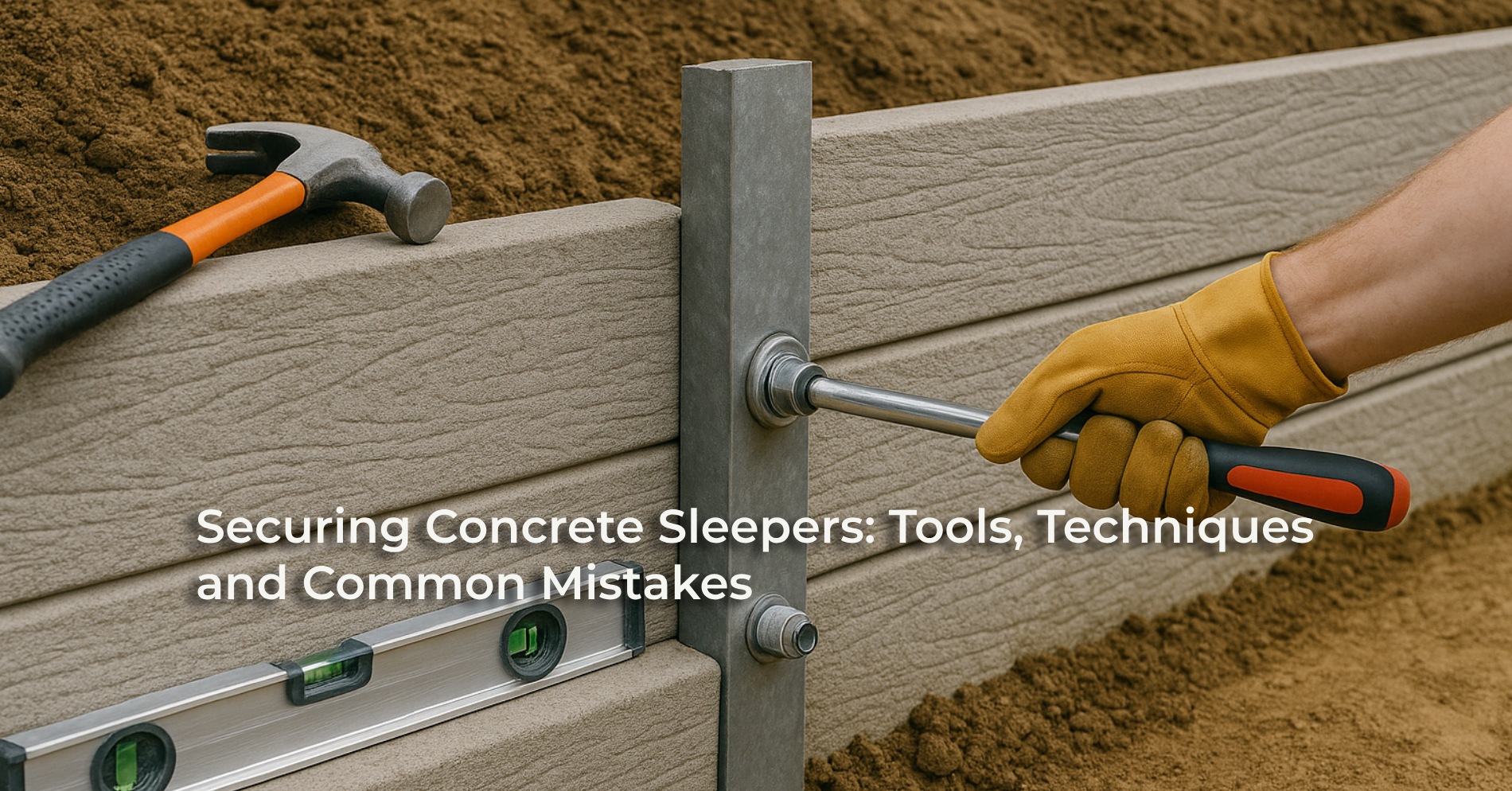
Securing Concrete Sleepers: Tools, Techniques and Common Mistakes
Table of Contents
ToggleIntroduction: Why Properly Securing Concrete Sleepers Matters
Concrete sleepers are a popular choice for landscaping, fencing, and retaining wall construction due to their strength, durability , and aesthetic appeal . However, even the most robust sleeper system can fail if not installed correctly. Whether you’re building a garden bed, reinforcing a slope, or creating a privacy fence, securing your concrete sleepers properly ensures long-term stability and safety.
At FPM Building Supplies , we provide high-quality precast concrete sleepers in both plain and charcoal finishes , along with galvanised steel posts designed for strength and longevity. In this comprehensive guide, we’ll walk you through the tools, techniques, and common mistakes associated with securing concrete sleepers—helping you build smarter and avoid costly repairs down the line.
Whether you’re a DIY enthusiast or a professional builder, understanding how to install and reinforce concrete sleepers is essential for creating lasting outdoor structures.
Understanding Concrete Sleeper Types and Sizes
Before diving into installation techniques, it’s important to understand the types of concrete sleepers available and how they affect your project:
1. Plain Concrete Sleepers
- Feature a natural grey finish that blends well with rustic and traditional landscapes.
- Ideal for garden beds, natural stone-style retaining walls, and suburban settings.
Shop Plain Concrete Sleepers (2.4m x 75mm)
2. Charcoal Concrete Sleepers
- Offer a dark, modern appearance that complements contemporary architecture.
- Perfect for urban gardens, minimalist designs, and commercial properties.
Shop Charcoal Concrete Sleepers (2.4m x 75mm)
Both options are manufactured using 50 MPa concrete mix , ensuring high compressive strength and resistance to environmental stressors.
The Advantages of Using 50 MPa Concrete Mix
Essential Tools for Securing Concrete Sleepers
To ensure a strong, durable installation, use the following tools:
1. Spirit Level
A must-have for checking alignment and ensuring sleepers remain straight and stable.
2. Rubber Mallet
Useful for adjusting sleepers without damaging them during placement.
3. Drill and Bits
Required for attaching brackets, pins, or screws to connect layers or anchor sleepers to steel posts.
4. Lifting Straps or Trolley
Due to their weight (110–180 kg depending on length), sleepers should be moved with mechanical assistance when possible.
5. Angle Grinder with Diamond Blade
Ideal for cutting sleepers to size or shaping edges for custom installations.
6. Wheelbarrow or Mixing Tub
Used for mixing general purpose cement or rapid set concrete for anchoring posts.
7. Shovel or Post Hole Digger
Essential for digging post holes and compacting soil around supports.
Mastering Concrete Sleeper Installation
Step-by-Step Guide to Securing Concrete Sleepers
Step 1: Prepare the Site
Clear the area of vegetation, rocks, and debris. If installing on a slope, level the base by compacting gravel or crushed rock to create a stable foundation.
For sloped installations, consider using a stepped design where each layer follows the contour of the land rather than angling the entire structure.
How to Create a Tiered Garden Bed with Precast Concrete Sleepers
Step 2: Install Galvanised Steel Posts
Vertical support is crucial for preventing lateral movement and ensuring long-term durability. Choose between:
- Galvanised Steel C Posts (100×50)
- H Posts (100×100 UC)
- Corner Posts
Dig holes approximately 600mm deep , place a layer of gravel at the bottom, insert the steel post, and backfill with rapid set concrete to secure it quickly.
Galvanised Steel C Post (100×50)
Galvanised Steel Corner Posts
Rapid Set Concrete – Fast & Reliable Fix
Step 3: Position and Align the First Row
Place the first row of sleepers directly onto the prepared gravel base. Use a spirit level to check for evenness and adjust as needed with a rubber mallet.
Ensure sleepers are snug against the steel posts and aligned properly before moving to the next layer.
Step 4: Stack Additional Rows with Staggered Joints
For taller structures, stack sleepers vertically. To enhance structural integrity:
- Stagger joints like bricks
- Secure each layer with metal brackets or rebar pins
- Ensure vertical alignment matches the lower rows
This technique distributes weight evenly and prevents slippage over time.
Step 5: Backfill Behind the Sleepers
Once sleepers are in place, backfill behind them with compacted gravel or sand to reduce pressure from soil expansion and water buildup.
For clay soils, which swell when wet, ensure adequate drainage by incorporating perforated pipes or French drains behind the wall.
Step 6: Reinforce with Brackets and Pins
To prevent movement, especially in wind-exposed areas or sloped terrain:
- Attach metal brackets between layers
- Insert rebar dowels through pre-drilled holes for added stability
- Use screws rated for outdoor use to fasten components together
These reinforcements significantly improve load-bearing capacity and prevent bowing.
Step 7: Apply Finishing Touches
After installation, apply topsoil, decorative gravel, or plantings to cover exposed edges and enhance visual appeal. Clean any dust or residue with water and mild detergent.
No painting or sealing is required, making concrete sleepers a low-maintenance solution.
Best Practices for Securing Concrete Sleepers
1. Always Use Galvanised Steel Supports
Wooden posts rot over time, while untreated steel rusts. Galvanised steel posts offer corrosion resistance and superior load-bearing capabilities.
Galvanised Steel Posts – The Ultimate Guide
2. Secure Sleepers to Each Other
Layered sleepers should be connected using brackets, rebar, or screws to prevent shifting under pressure.
3. Check for Levelness During Installation
Even small misalignments can compound over multiple layers. Check frequently with a spirit level.
4. Reinforce Corners and Gates
Corners and gates experience more stress than standard sections. Use corner posts and diagonal bracing for added support.
How to Choose the Best Galvanised Steel Corner Post
5. Allow Time for Concrete Curing
While rapid set concrete hardens within hours, full strength develops over 24–48 hours. Avoid placing heavy loads until curing is complete.
Common Mistakes When Securing Concrete Sleepers
1. Neglecting Drainage
Poor drainage leads to hydrostatic pressure buildup behind the wall, causing bulging or collapse. Always incorporate a gravel backfill and drainage layer.
2. Using Untreated Timber Supports
Timber rots quickly in damp environments. Always opt for galvanised steel posts for long-term performance.
3. Improper Alignment
Misaligned sleepers look unprofessional and compromise structural integrity. Use a string line and level throughout the process.
4. Overlooking Soil Type
Clay soils expand when wet, pushing against the wall. Compensate with deeper footings and stronger reinforcement.
5. Not Anchoring Layers Together
Sleepers left unsecured can shift under pressure. Use metal brackets, rebar pins, or screws to lock layers together.
Understanding Concrete Sleeper Weight – Why It Matters
How to Handle Heavy Concrete Sleepers Safely
Concrete sleepers are dense and heavy, so proper handling is essential to avoid injury and damage:
1. Work with a Partner
Never attempt to lift or move sleepers alone. Two people can handle smaller units, while larger ones may require machinery.
2. Use Lifting Straps or Mechanical Assistance
For large-scale projects, invest in lifting straps or hire a mini excavator to transport and position sleepers safely.
3. Avoid Dragging Sleepers
Dragging sleepers across rough surfaces can chip or crack them. Always lift and carry.
4. Wear Protective Gear
Use gloves, safety glasses, and steel-toe boots when handling sleepers and cutting materials.
Reinforcement Options for Maximum Stability
1. Metal Brackets
Attach brackets between stacked sleepers to lock them in place and distribute force evenly.
2. Rebar Dowels
Insert rebar through pre-drilled holes in sleepers for a strong interlock between layers.
3. Screws and Bolts
Use stainless steel or galvanised fasteners to prevent rust and ensure long-lasting connections.
4. Diagonal Bracing
In windy or seismic-prone areas, add diagonal bracing using angle iron or additional steel posts.
Securing Sleepers on Slopes and Retaining Walls
Installing concrete sleepers on slopes requires special attention to prevent sliding or tilting.
1. Create a Stepped Layout
Instead of angling the entire wall, build a stepped design that follows the land’s contour.
2. Use Rapid Set Concrete for Quick Anchoring
Secure vertical steel posts with rapid set concrete to allow immediate installation of sleepers.
3. Embed Lower Sleepers Partially in the Ground
Burying the base layer slightly improves stability and prevents uplift.
4. Stagger Layers Like Bricks
This technique enhances structural integrity and reduces the risk of cracking.
Choosing the Right Fasteners and Connectors
The type of fastener used depends on the application and exposure conditions:
1. Metal Brackets
Best for connecting sleepers to steel posts or other sleepers.
2. Rebar Pins
Insert into pre-drilled holes for vertical reinforcement.
3. Outdoor Screws
Use weather-resistant screws to attach brackets or panels to sleepers.
4. Epoxy Adhesive
Suitable for lightweight applications where drilling isn’t feasible.
Always choose fasteners made from stainless steel or galvanised materials to resist corrosion.
Maintenance Tips to Extend Sleeper Lifespan
Although concrete sleepers are low maintenance, regular inspections help identify issues early.
1. Inspect for Movement
Check annually for signs of leaning, shifting, or bowing—especially after heavy rain or dry spells.
2. Clean Surfaces Periodically
A simple hose-down removes dirt and moss buildup. No need for harsh chemicals.
3. Tighten Fixings
Screws and brackets may loosen over time. Re-tighten them to maintain structural integrity.
4. Monitor Drainage
Ensure water flows away from the base of the wall to prevent erosion and pressure buildup.
How to Maintain and Extend the Lifespan of Your Concrete Sleepers
Creative Uses for Secured Concrete Sleepers
Beyond fences and retaining walls, secured concrete sleepers can be used for:
1. Raised Garden Beds
Stack sleepers to form elevated planting zones that resist warping and decay.
2. Privacy Screens
Build tall, secure barriers that withstand wind and moisture without deteriorating.
3. Driveway Edging
Use shorter sleepers along driveways for a clean, structured appearance.
4. Commercial Landscaping
Public parks and office complexes benefit from the durability and aesthetic appeal of secured concrete sleepers.
Explore more ideas in our blog on innovative uses for concrete sleepers .
Innovative Uses for Concrete Sleepers
Environmental and Safety Benefits of Concrete Sleepers
Eco-Friendly Features
- Long lifespan reduces replacement cycles and material waste.
- Precast production minimizes on-site dust and mess.
- Recyclable at end-of-life.
Safety Advantages
- Fire-resistant, termite-proof, and rot-free.
- Low maintenance means fewer trips for repairs and reduced carbon footprint.
- Stable when secured properly—ideal for public spaces and residential builds.
Environmental Benefits of Precast Concrete Products
Real-Life Applications and Case Studies
Case Study 1: Residential Retaining Wall
A homeowner in the Yarra Valley built a multi-tiered retaining wall using charcoal concrete sleepers and galvanised steel corner posts. By staggering layers and using rebar connectors, the wall has remained stable for over ten years with minimal upkeep.
Case Study 2: Commercial Privacy Fence
A developer in South Melbourne constructed a privacy fence using plain concrete sleepers and H posts. The structure was completed in just two days and has resisted wind and heavy rainfall without shifting.
Case Study 3: Driveway Border
A contractor used short charcoal sleepers to edge a driveway. With proper anchoring and spacing, the border has remained intact despite frequent vehicle traffic.
Why Builders Trust FPM Building Supplies
As Melbourne’s leading provider of precast concrete products and galvanised steel supports , FPM Building Supplies offers:
- Consistent Quality : All sleepers meet Australian standards for strength and durability.
- Expert Support : Our team helps builders select the right sleeper size and reinforcement method.
- Fast Delivery Across Victoria : We deliver directly to job sites with appropriate handling for heavy materials.
Why Melbourne Builders Trust FPM for Concrete Needs
Conclusion: Build Smarter with the Right Techniques
Securing concrete sleepers properly is key to ensuring their longevity and structural integrity. Whether you’re building a retaining wall, garden bed, or boundary fence, following best practices—such as using galvanised steel posts , rebar connectors , and proper backfilling —will result in a durable, visually appealing structure.
At FPM Building Supplies , we provide everything you need to complete your project successfully—from plain and charcoal concrete sleepers to H posts , C posts , and corner posts . Visit our website or contact us for personalized advice and competitive pricing.
Start today, and build with confidence knowing your concrete sleepers will stand strong for decades.
Related Blogs
- How to Build a Strong and Long-Lasting Fence
- Understanding Concrete Sleeper Weight
- Top 10 Landscaping Ideas Using Plain Concrete Sleepers
- Why Charcoal Concrete Sleepers Are Perfect for Style and Durability
Frequently Asked Questions (FAQs)
Q: Can I install concrete sleepers myself?
A: Yes, with proper planning and mechanical assistance for heavier units.
Q: Do I need special tools to cut concrete sleepers?
A: A diamond blade saw or angle grinder works best for precise cuts.
Q: How do I reinforce concrete sleepers on a slope?
A: Use staggered layers, metal brackets, and galvanised steel posts for maximum stability.
Q: Where can I buy quality concrete sleepers in Melbourne?
A: Visit FPM Building Supplies for the largest selection of precast concrete sleepers and steel supports.
Additional Resources
- Step-by-Step Installation Guide
- General Purpose Cement for Mortar and Joints
- Rapid Set Concrete for Quick Fixes
By mastering the art of securing concrete sleepers , you’ll be able to construct outdoor features that are both functional and beautiful. Let FPM Building Supplies be your trusted partner in every build—whether residential, commercial, or municipal.
Start today, and build smarter with the right tools, techniques, and materials for lasting results.