
Mon - Fri 7:00 - 17:00
32 fullarton dr Epping 3076 Australia
Posted by FPMBuildingSupplies
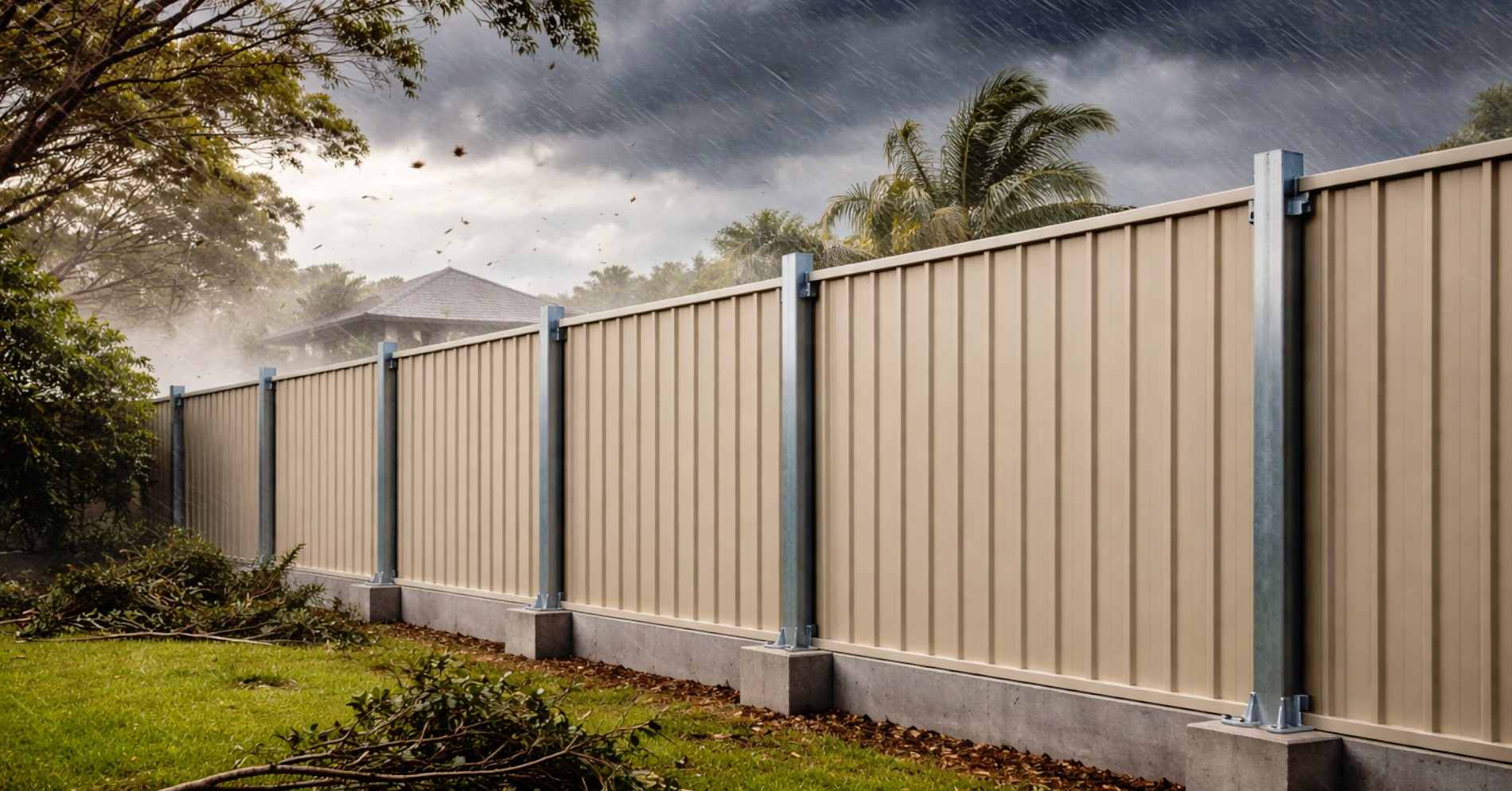
Cyclone-Resistant Fencing: Engineering Principles for High-Wind Australian Regions
Table of Contents
ToggleIntroduction
Living in Australia means understanding the unique weather challenges our continent presents, and few challenges are as demanding as designing fences that can withstand cyclone-force winds in coastal and northern regions. Cyclone-resistant fencing represents a critical investment for property owners in high-wind areas, protecting boundaries while ensuring safety during severe weather events. At FPM Building Supplies, we work with customers across wind-prone regions who need fencing solutions that remain standing when storms pass through. You can explore our complete product range or learn more about why customers choose us for their construction material needs. For personalised advice on your wind-resistant fencing project, our team is available at +61 421370700 to help guide your material selection process.
The truth is, standard fencing simply isn’t engineered to handle the extreme wind loads that cyclones generate, and understanding cyclone-resistant fencing principles helps property owners make informed decisions about boundary protection. This guide breaks down everything you need to know about engineering fencing for high-wind Australian regions, helping you create boundaries that withstand severe weather while maintaining their appearance and function. We’ll cover wind load calculations, material specifications, installation techniques, and compliance requirements. If you want to understand more about our company background, visit our about page for detailed information about our operations and commitment to quality. Understanding cyclone-resistant fencing from the outset helps you create boundaries that protect your property through decades of weather challenges.
Understanding Wind Load Engineering
What Are Wind Loads?
Wind loads represent the forces that wind exerts on structures, and these forces increase dramatically with wind speed during cyclonic events. Understanding wind loads is fundamental to cyclone-resistant fencing because it determines the structural requirements for posts, foundations, and connections. Our wind-resistant fence posts guide covers post specifications that inform wind load considerations. Cyclone-resistant fencing must be engineered to withstand specific wind speeds based on regional classifications. Understanding wind load principles helps you specify appropriate materials and construction methods for your location.
Regional Wind Classifications
Australia is divided into wind regions that classify areas based on historical wind speed data and cyclone risk. Regions range from N1 (lowest wind risk) through to C4 (highest cyclone risk), with each classification requiring different engineering responses. You can reference Standards Australia for authoritative information on construction standards affecting wind region classifications. Cyclone-resistant fencing specifications vary significantly between wind regions, making correct classification essential. Understanding your wind region ensures fencing meets appropriate engineering requirements for your specific location.
Pressure and Suction Forces
Wind creates both positive pressure on windward surfaces and negative suction on leeward surfaces, and both forces affect fencing stability during storms. Solid fences experience higher wind loads than semi-permeable designs that allow some wind passage. Our how to build a wind-resistant fence guide covers techniques for building sturdy fencing systems. Cyclone-resistant fencing must account for both pressure and suction forces in engineering calculations. Understanding these force dynamics helps create fencing that remains stable regardless of wind direction.
Material Selection for Cyclone Regions
Concrete Sleeper Specifications
Concrete sleepers provide excellent mass and stability for cyclone-resistant fencing when properly specified and installed. Standard 50 MPa concrete sleepers offer sufficient durability for most cyclone region applications with appropriate post support. You can learn more about 50 MPa concrete advantages and why this mix outperforms standard options. Cyclone-resistant fencing benefits from concrete sleeper weight because it reduces wind-induced movement. Understanding concrete specifications ensures sleepers perform reliably in high-wind conditions.
Steel Post Requirements
Galvanised steel posts form the structural backbone of cyclone-resistant fencing, providing the strength needed to resist wind forces without bending or breaking. H posts offer superior strength for cyclone regions where wind loads exceed standard fencing requirements. Our galvanised steel H posts guide covers specifications for heavy-duty post applications. Cyclone-resistant fencing requires appropriately sized posts with sufficient embedment depth to resist wind leverage forces. The galvanisation coating provides corrosion resistance essential for coastal cyclone regions where salt exposure accelerates deterioration.
Post Spacing Considerations
Post spacing directly affects fence strength and the ability to withstand cyclone-force winds without failure. Closer post spacing provides additional support and reduces the span between anchor points, improving overall system strength. Our preventing fence sagging guide explains how spacing affects fence performance. Cyclone-resistant fencing typically requires closer spacing than standard fencing to handle increased wind loads. Proper spacing balances material costs with performance requirements for reliable cyclone protection.
Foundation Engineering for Wind Resistance
Embedment Depth Requirements
Proper post embedment depth ensures cyclone-resistant fencing can resist leverage forces from wind without pulling out of the ground. General guidelines suggest embedment depths of 900mm to 1200mm depending on post height and wind region classification. Our concrete sleeper installation guide covers installation fundamentals that apply to cyclone region fencing. Cyclone-resistant fencing requires careful attention to foundation preparation because post failure compromises entire fence sections. Using rapid-set concrete for post installation provides strong, stable foundations that resist movement over time.
Concrete Footing Specifications
Concrete footings around posts add significant stability to cyclone-resistant fencing by distributing wind loads into surrounding soil. Footing diameters typically range from 300mm to 450mm depending on post size and wind loads. Our rapid-set concrete guide covers quick solutions for construction needs including footing installation. Cyclone-resistant fencing footings must be properly cured to achieve full strength before exposure to wind loads. Understanding footing specifications ensures foundations perform as engineered during cyclone events.
Soil Condition Considerations
Different soil types affect post stability and foundation requirements for cyclone-resistant fencing systems. Sandy soils common in coastal regions require larger footings to achieve equivalent stability to clay soils. Our ultimate guide to fencing on clay soil provides guidance for challenging soil conditions. Cyclone-resistant fencing installations must account for soil characteristics to ensure long-term stability. Understanding soil conditions helps determine appropriate embedment depths, footing sizes, and concrete specifications.
Design Principles for Wind Resistance
Fence Height Limitations
Fence height significantly affects wind loads, with taller fences experiencing exponentially higher forces during cyclone events. Most cyclone regions recommend maximum heights of 1.8 metres for solid fencing without engineered certification. Our security barrier design guide covers height considerations that apply to wind-resistant applications. Cyclone-resistant fencing designs should account for height-related wind load increases when planning boundary systems. Adequate height provides security while avoiding unnecessarily tall fences that increase wind exposure.
Permeability and Wind Passage
Semi-permeable fencing designs allow some wind passage, reducing overall wind loads compared to solid barrier designs. Concrete sleeper fencing with gaps between sleepers provides better wind performance than completely solid walls. Our acoustic barrier solutions guide explores barrier applications that inform wind permeability decisions. Cyclone-resistant fencing benefits from permeability considerations because reduced wind loads improve stability. Understanding permeability effects helps create fencing that balances privacy needs with wind resistance.
Corner and Gate Reinforcement
Corners and gates experience concentrated wind forces requiring additional reinforcement beyond standard fence sections. Corner posts need bracing or larger specifications to handle tension from two fence directions simultaneously. Our galvanised steel corner posts guide covers reinforced post applications suitable for cyclone regions. Cyclone-resistant fencing gates should match fence strength specifications to prevent weak points in boundary systems. Proper reinforcement ensures fencing maintains integrity at all connection points during cyclone events.
Compliance and Standards
Australian Building Code Requirements
All cyclone-resistant fencing must comply with Australian Building Code requirements for wind region classifications and structural safety. The National Construction Code outlines specific requirements for fencing in cyclone-prone areas. You can reference the National Construction Code for detailed regulatory information affecting cyclone region construction. Cyclone-resistant fencing compliance ensures boundaries meet legal requirements while providing appropriate protection. Working with compliant materials from the start prevents issues if inspections occur after construction.
Engineering Certification Needs
Larger fencing projects or installations in highest wind regions may require engineering certification to verify structural adequacy. Engineering input ensures cyclone-resistant fencing safely handles expected wind loads without risk of failure. Our soil pressure and retaining walls guide explains structural considerations applicable to fencing design. Cyclone-resistant fencing incorporates engineering requirements without compromising boundary objectives. Professional engineering support provides confidence that fencing performs safely throughout its service life.
Local Council Permit Requirements
Many cyclone region councils require building permits for fencing that specify wind resistance standards and inspection requirements. Local councils assess plans to ensure proposed fencing meets regional wind load requirements. Our Melbourne concrete sleeper permits guide covers permit processes that may apply to cyclone regions. Cyclone-resistant fencing includes permit planning in project timelines to avoid delays from approval processes. Starting permit applications early ensures projects proceed smoothly from planning through to completion.
Installation Best Practices
Pre-Installation Planning
Thorough pre-installation planning ensures cyclone-resistant fencing addresses all wind resistance factors before construction begins. Include post locations, footing specifications, and reinforcement details in your installation planning. Our concrete sleeper installation checklist provides comprehensive guidance for proper installation planning. Cyclone-resistant fencing benefits from thorough planning that considers how all components work together during wind events. Written plans help communicate installation intent and ensure consistent implementation throughout construction.
Quality Control During Installation
Quality control during installation ensures cyclone-resistant fencing meets engineered specifications without shortcuts that compromise wind resistance. Verify embedment depths, concrete mixing ratios, and post alignment throughout installation. Our securing concrete sleepers guide covers connection techniques that prevent common installation mistakes. Cyclone-resistant fencing requires careful attention to quality because installation defects create weaknesses that fail during cyclones. Consistent quality control ensures fencing performs as designed when wind loads test the system.
Post-Installation Inspection
Post-installation inspection verifies that cyclone-resistant fencing meets all specifications before exposure to wind events. Check post verticality, concrete curing, and connection security during this inspection phase. Our concrete sleeper FAQs Melbourne guide addresses common questions that arise during installation evaluation. Cyclone-resistant fencing inspection identifies issues that can be corrected before cyclone season begins. Thorough inspection provides confidence that fencing will perform when wind loads test the system.
Maintenance for Long-Term Performance
Regular Inspection Schedules
Regular inspection helps identify potential issues before they develop into failures during cyclone events. Annual checks should look for signs of post movement, concrete cracking, or connection loosening that need attention. Our how to maintain concrete sleepers guide provides practical maintenance tips for extending product lifespan. Cyclone-resistant fencing includes monitoring as part of ongoing property management, catching issues early when they’re easiest to address. Simple maintenance tasks help fencing perform reliably throughout its designed service life.
Corrosion Prevention
Coastal cyclone regions present additional corrosion challenges from salt exposure that affect steel post longevity. Regular washing removes salt deposits that accelerate corrosion on galvanised coatings. Our Melbourne weather-resistant materials guide addresses regional material performance considerations including salt exposure. Cyclone-resistant fencing in coastal areas requires additional corrosion prevention to maintain structural integrity. Understanding corrosion risks helps maintain fencing performance in challenging coastal environments.
Damage Repair Protocols
When repairs become necessary, cyclone-resistant fencing favours approaches that restore full wind resistance rather than temporary fixes. Damaged posts or sleepers should be replaced completely rather than patched to maintain cyclone protection. Our repairing fences after storm damage guide provides repair techniques applicable to cyclone damage. Cyclone-resistant fencing prioritises complete repairs because partial fixes create weak points that fail in future storms. Investing in proper repairs maintains cyclone protection levels throughout fencing service life.
Cost Considerations and Value Analysis
Initial Investment Requirements
Cyclone-resistant fencing requires thoughtful budget planning that accounts for enhanced materials and proper installation from project start. Initial costs exceed standard fencing but deliver better long-term value through cyclone protection and extended service life. Our fencing ROI calculation guide helps you understand return on investment for quality fencing materials. Cyclone-resistant fencing viewed as long-term protection justifies quality material selections that perform reliably for decades. Understanding total cost of ownership helps justify initial investment in appropriate cyclone-rated systems.
Long-Term Value Assessment
Long-term value assessment considers cyclone protection, maintenance requirements, and replacement frequency over the asset’s complete service life. Quality cyclone-resistant fencing costs more initially but delivers better value through storm survival and reduced repair needs. Our concrete sleeper life cycle guide examines how concrete sleepers perform over decades of use. Cyclone-resistant fencing benefits from this long-term thinking because storm damage costs far exceed quality fencing investments. Quality cyclone protection represents assets that protect property value through severe weather events.
Insurance Implications
Insurance providers may offer premium reductions for properties with certified cyclone-resistant fencing in high-wind regions. Documented compliance with cyclone standards supports insurance claims if storm damage occurs to other property elements. Our commercial boundary solutions guide covers commercial applications where insurance considerations matter significantly. Cyclone-resistant fencing with documented compliance provides peace of mind that insurance coverage remains valid. Understanding insurance implications helps justify cyclone-rated fencing investments through potential premium savings.
Regional Considerations Across Australia
Queensland Cyclone Regions
Queensland experiences the highest cyclone frequency in Australia, requiring the most stringent cyclone-resistant fencing specifications. Regions from Cairns to Bundaberg face regular cyclone exposure requiring C2 to C4 wind classifications. Our coastal Victoria fencing steel guide covers coastal applications that inform Queensland fencing decisions. Cyclone-resistant fencing in Queensland must meet the highest Australian wind resistance standards. Understanding Queensland requirements ensures fencing performs reliably through regular cyclone exposure.
Western Australian Coastal Areas
Western Australian coastal regions from Exmouth to Broome experience severe cyclones requiring robust fencing specifications. Salt exposure combined with cyclone winds creates particularly demanding conditions for fencing materials. Our coastal and inland building supplies guide covers regional variations in material requirements. Cyclone-resistant fencing in Western Australia adapts to both wind and corrosion challenges simultaneously. Regional adaptation ensures fencing performs well in specific Western Australian environmental contexts.
Northern Territory Applications
Northern Territory cyclone regions present unique challenges from extreme heat combined with cyclone-force winds. Material specifications must account for both thermal expansion and wind load requirements. Our Melbourne climate building materials guide explores how climate affects building material choices including heat considerations. Cyclone-resistant fencing in Northern Territory must perform through temperature extremes and cyclone events. Understanding combined challenges ensures appropriate specifications for Territory conditions.
Common Mistakes to Avoid
Under-Specifying Materials
Selecting fencing materials without adequate specifications for cyclone regions leads to failures during storm events. Material selection must match wind region classification and engineering requirements for reliable cyclone protection. Our steel posts vs wooden posts guide compares material options for different applications. Cyclone-resistant fencing carefully matches materials to wind classifications, avoiding specifications that cause failures. Right material selection from the start prevents storm damage and expensive replacements.
Inadequate Foundation Depths
Insufficient post embedment creates weak points that fail when cyclone-force winds test fencing systems. Foundation depths must meet or exceed engineering specifications for wind region classifications. Our how to build a strong and long-lasting fence guide covers techniques for building sturdy fencing systems. Cyclone-resistant fencing reinforces foundations because post pull-out causes cascading fence failures. Proper foundation depths ensure fencing remains anchored during cyclone events.
Ignoring Connection Details
Poor connection details between posts and sleepers create weak points that fail under cyclone wind loads. Mechanical fixings using bolts or specialised brackets provide secure connections that won’t fail under wind exposure. Our how to choose the best galvanised steel corner post guide helps select appropriate connection components. Cyclone-resistant fencing prioritises connection details because failures here compromise entire fence sections. Quality connections ensure fencing performs as a unified system during cyclones.
Advanced Engineering Considerations
Wind Tunnel Testing Data
Wind tunnel testing provides empirical data on how fencing designs perform under simulated cyclone conditions. This testing informs engineering specifications for cyclone-resistant fencing in different wind regions. Our commercial boundary solutions guide covers commercial applications where engineering data matters significantly. Cyclone-resistant fencing benefits from wind tunnel data because it validates engineering assumptions with real performance information. Understanding test data helps specify fencing with proven cyclone resistance.
Dynamic Load Analysis
Dynamic load analysis considers how wind gusts create varying forces rather than constant pressure on fencing systems. This analysis ensures cyclone-resistant fencing handles wind gust impacts without fatigue failures. Our soil pressure retaining walls physics guide explains structural physics applicable to fencing design. Cyclone-resistant fencing incorporates dynamic analysis because gust loads exceed steady wind pressures. Understanding dynamic effects ensures fencing survives cyclone gust sequences.
Failure Mode Prevention
Failure mode analysis identifies potential failure points in fencing systems before cyclone exposure occurs. This proactive approach addresses weaknesses through design rather than discovering failures during storms. Our how to repair a leaning retaining wall guide covers repair techniques that inform failure prevention. Cyclone-resistant fencing prevents failure modes through careful engineering rather than accepting storm damage as inevitable. Understanding failure modes helps create fencing that survives cyclones intact.
Sustainability and Environmental Factors
Material Longevity and Waste Reduction
Durable cyclone-resistant fencing reduces resource consumption by eliminating frequent replacement cycles from storm damage. Our environmental benefits of precast concrete guide explains sustainability advantages of durable construction products. Cyclone-resistant fencing values this resource efficiency because it reduces overall environmental footprint of boundary construction. Fewer replacements mean less manufacturing, transportation, and installation energy consumed over decades of service.
Recyclability Considerations
When cyclone-resistant fencing eventually reaches end of life, recyclable materials support sustainable construction practices. Steel posts can be recycled indefinitely without losing material properties, while concrete sleepers can be crushed and repurposed. Our recycling concrete sleepers Australia guide covers disposal and recycling options for concrete products. Cyclone-resistant fencing planning considers end-of-life pathways during material selection. This forward thinking distinguishes sustainable cyclone construction from conventional approaches.
Sustainable Construction Practices
Sustainable construction practices extend beyond material selection to include installation methods and overall project planning. Local sourcing reduces transportation emissions while supporting regional economies and supply chains. Our sustainable steel concrete fencing guide explores how steel and concrete fencing supports sustainable building practices. Cyclone-resistant fencing can incorporate sustainable practices that align with broader environmental stewardship goals. Understanding sustainability factors helps make informed decisions aligning with both performance needs and environmental values.
Planning Your Cyclone-Resistant Fencing Project
Site Assessment and Wind Classification
Developing a thorough site assessment ensures cyclone-resistant fencing addresses all wind factors before construction begins. Include wind region classification, exposure levels, and site-specific conditions in your assessment. Our creative concrete sleeper designs guide provides inspiration for design possibilities that consider wind resistance. Cyclone-resistant fencing benefits from thorough assessment that considers how site conditions affect wind loads. Written assessments help communicate wind requirements and ensure appropriate specifications throughout construction.
Timeline and Budget Planning
Realistic timeline and budget planning ensures your cyclone-resistant fencing project proceeds smoothly without unnecessary stress. Factor in engineering certification time, material delivery schedules, and installation duration when setting project timelines. You can get in touch through our contact page to discuss your project timeline and receive personalised quotes. Cyclone-resistant fencing includes buffer time for weather delays and unexpected site conditions that may arise. Proper planning from the start leads to more predictable outcomes and reduces mid-project changes.
When to Seek Professional Help
Knowing when to seek professional advice prevents costly mistakes and ensures your project meets all cyclone requirements. Complex sites, highest wind regions, and large-scale installations all benefit from expert input. Our team at FPM Building Supplies provides technical support and product guidance for cyclone fencing projects. Cyclone-resistant fencing recognises that professional advice upfront often saves money compared to correcting storm failures later. Don’t hesitate to reach out when project complexity exceeds your experience level.
Conclusion
Cyclone-resistant fencing represents a critical investment in property protection for Australian properties in high-wind regions, and understanding engineering principles ensures boundaries withstand cyclone-force winds while maintaining their function. By selecting appropriate materials, engineering foundations properly, and installing according to specifications, you create fencing that protects your property through severe weather events. At FPM Building Supplies, we’re committed to providing quality products and expert support for cyclone-resistant fencing projects across Australian wind regions. Our team understands the unique requirements of cyclone engineering and stands ready to help you select products that meet your specific wind region needs.
Take time to assess your wind region thoroughly, plan carefully, and don’t hesitate to seek expert advice when needed. The investment in proper cyclone-resistant fencing pays dividends through storm survival, reduced repair costs, and long-term confidence in your boundary protection. For more information about our products and services, visit our main website or call our team at +61 431235919 to discuss your specific project requirements. We’re committed to helping you achieve strong, durable, and cyclone-resistant fencing outcomes from start to finish. Cyclone-resistant fencing engineered properly ensures your boundaries remain standing through decades of Australian weather challenges.